Duurzame ontwikkelingshulp in ruraal Tanzania

Stichting Shirati is een Nederlandse non-profitorganisatie. Ons doel is om het lokale ziekenhuis in Shirati, Tanzania te helpen om de beste zorg te bieden. Zo helpt Shirati KMT Hospital zo'n 400.000 mensen in de Mara regio van Tanzania.

Medisch onderzoek

Wetenschappelijke analyse van al onze projecten.

global health

Medicijnen en medische apparatuur voor iedereen.

Training

Focus op verbeterde opleiding en onderwijs.

Nieuws

Over ons

Shirati KMT Hospital

Shirati ‘Kanisa la Mennonite Tanzania’ Hospital werd in 1934 opgericht door Amerikaanse Mennonieten (Doopsgezinden). Gelegen aan het Victoriameer, voorziet dit missieziekenhuis de inmiddels +/- 400.000 inwoners van het Rorya district van medische gezondheidszorg.

Sinds 2010 staat het ziekenhuis onder leiding van Bwire Chirangi, een Tanzaniaans arts, na afronding van zijn Master Global Health aan de Universiteit van Maastricht. Tijdens zijn bestuur zijn vele verbeteringen succesvol geïmplementeerd, zoals:

  • De aanleg van zonnepanelen, waardoor ‘power cuts’ tot het verleden behoren.
  • De installatie van een waterpomp op zonne-energie vanuit het Victoriameer, waardoor schoon drinkwater nu beschikbaar is in het gehele ziekenhuis.
  • Een ziekenhuisbreed, elektronisch patiëntendossier.

Historie

Als artsen internationale gezondheidszorg & tropengeneeskunde zijn wij, Esther, Nathan & Joost, al geruime tijd werkzaam of werkzaam geweest in Shirati. Door het dagelijks leveren van zorg aan de patiënten van het Shirati KMT Hospital, merkten we op dat sommige aandoeningen, als ondervoeding en verkeersongelukken, bovengemiddeld veel voorkwamen.

Zo begonnen we, gesteund door vrienden en familie, ons ook in te zetten voor systematische zorgverbetering: een pindaproductie unit werd gebouwd, apparatuur voor huidtransplantaties geleverd en lokale artsen getraind in het gebruik ervan. Ook werd een outreach programma opgezet om medicatie tegen schistosomiasis uit te reiken aan risicogroepen in de regio.

Om deze zorg structureel te kunnen leveren, is professionalisering nodig. Dus besloten we in april 2022 Stichting Shirati in het leven te roepen, om Shirati een gezicht in Nederland te geven, en donoren tegemoet te kunnen komen met het belastingvoordeel van een ANBI-stichting.

onze Projecten

Dit zijn de lopende projecten waar jouw donaties voor worden ingezet

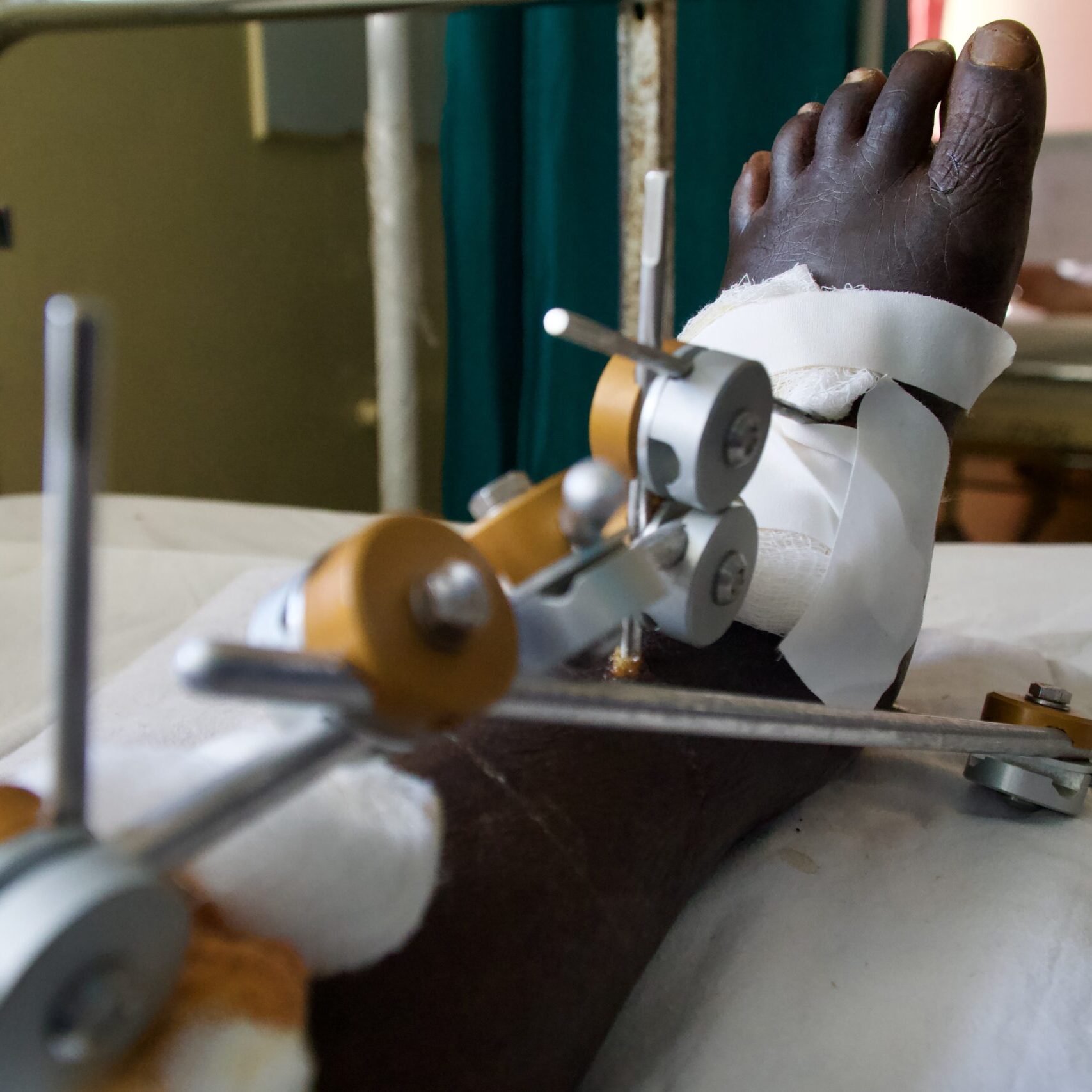
Bonesetter Project

Samen met traditionele bonesetters een behandelplan maken voor patiënten met botbreuken

Healthy Hearts Project

Het opsporen van patiënten met hart- en vaatziekten voordat ze ernstig ziek worden
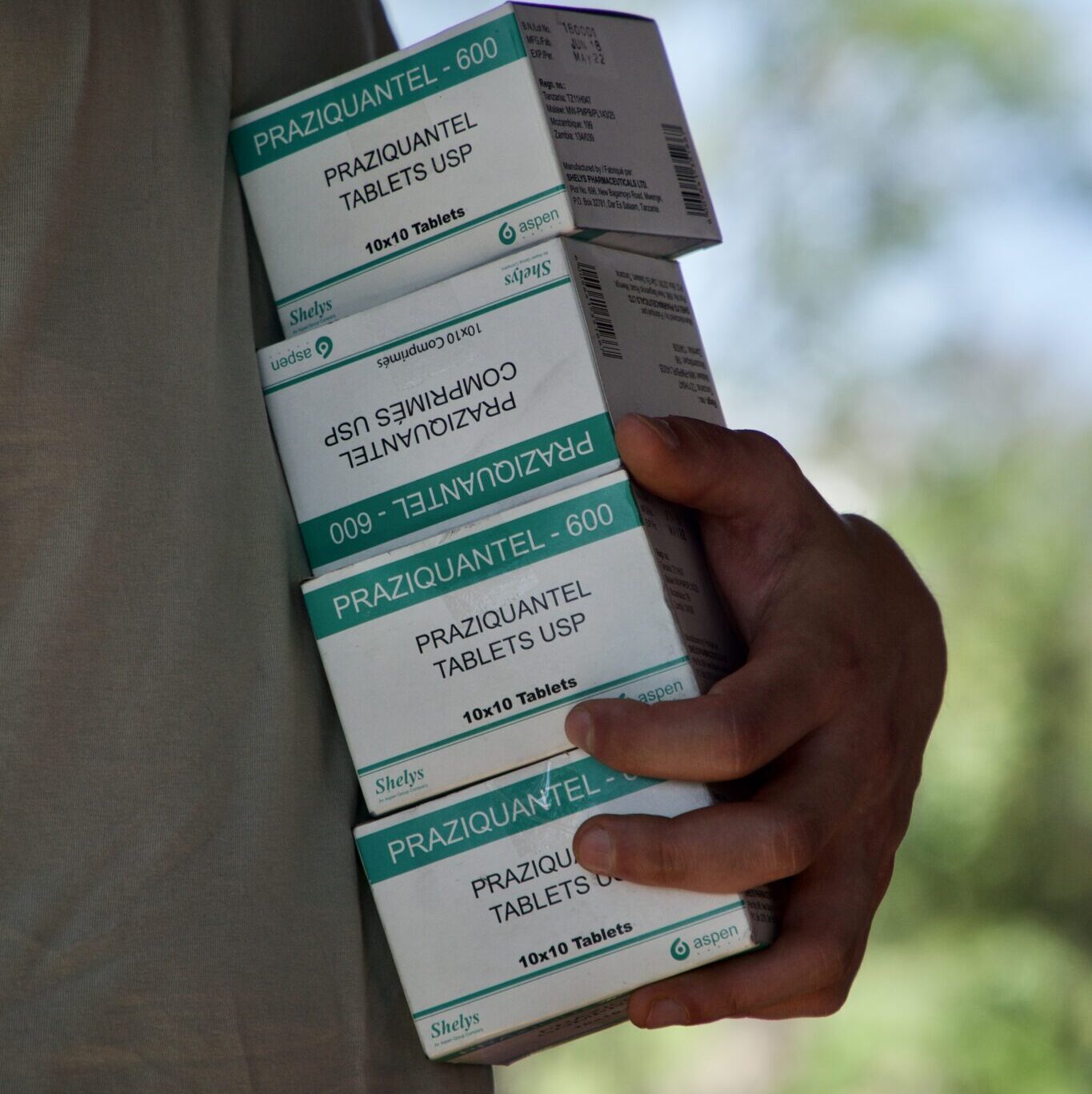
Schistosomiasis outreach Shirati

Gratis behandeling van, en patiënteneducatie over schistosomiasis
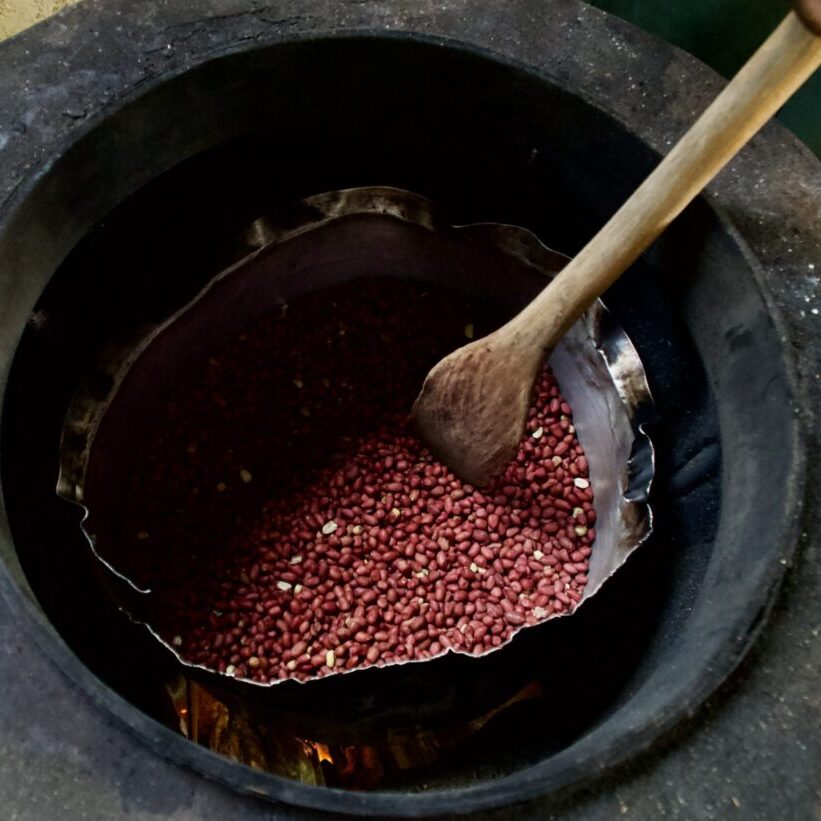
Shirati Peanut project

Lokale productie van speciale pindakaas tegen ondervoeding
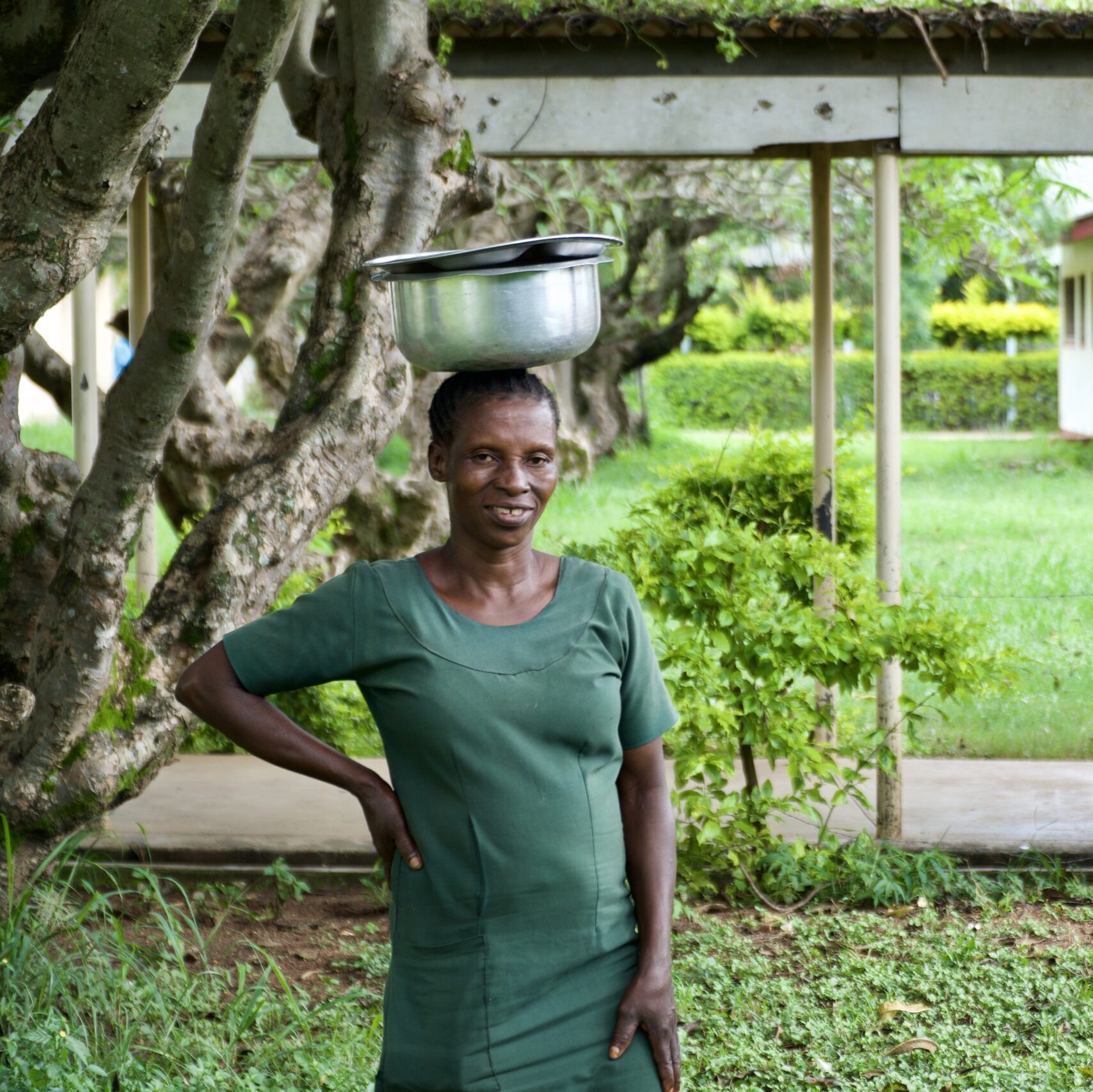
Shirati Food Program

Dagelijks één gratis gezonde maaltijd voor alle patiënten

Het team

Jovine Okoth

Onderzoeker Bonesetter Project

Nkaina Walter

Onderzoeker Bonesetter Project en Projectmanager Schistosomiasis Outreach Shirati
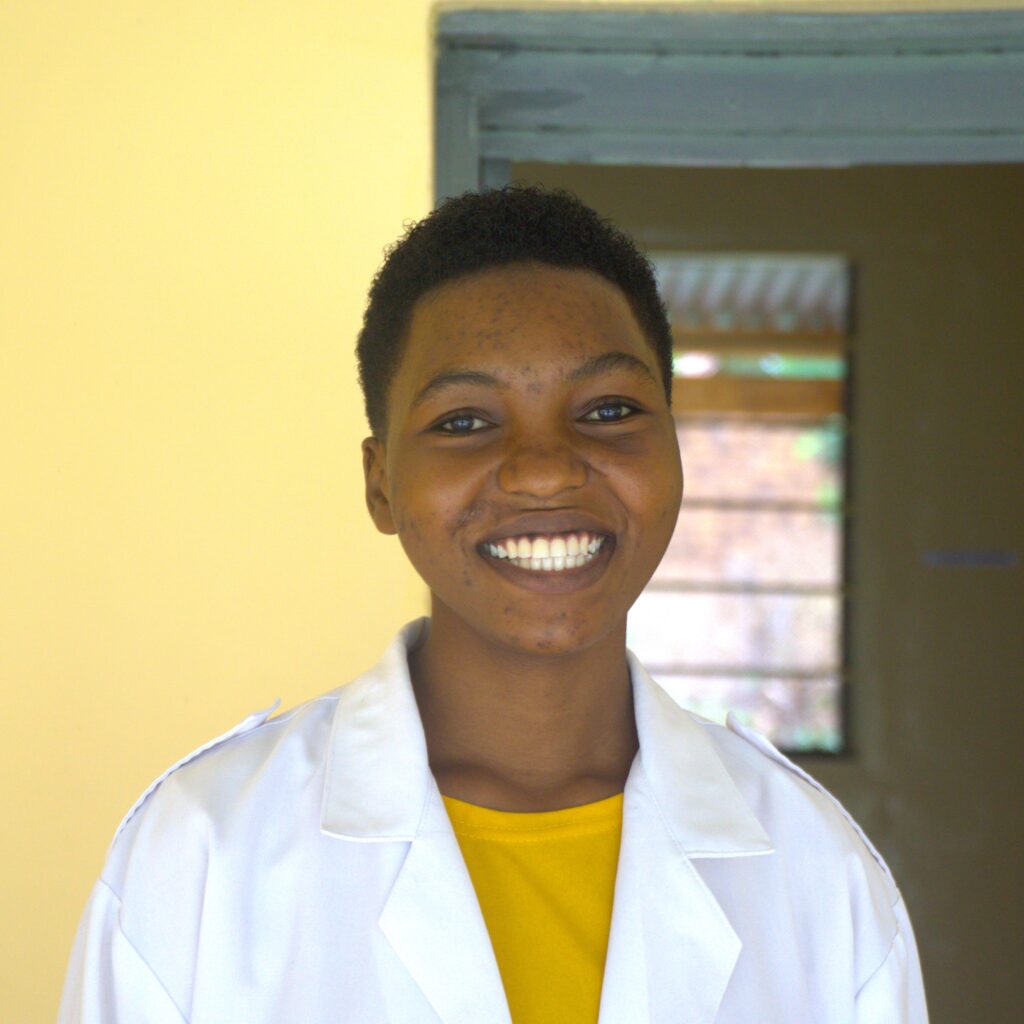
Winnie Walter

Projectmanager Healthy Hearts Project

Stella Kisare

Betrokken bij Shirati Peanut Project en Shirati Food Program

Suzana Charles

Productieassistent Shirati Peanut Project

Joseph Kimba

Productieassistent Shirati Peanut Project

Veronica Andricus

Kok Shirati Food Program

Tatu Phinias

Kok Shirati Food Program

Sabina Bhoke

Kok Shirati Food Program

Nathan Beijneveld

Voorzitter
Initiatiefnemer Shirati Peanut Project en Shirati Food Program

Joost Binnerts

Secretaris
Initiatiefnemer Bonesetter Project

Esther van der Lugt

Algemeen bestuurslid & vertrouwenspersoon

ProfilePicture_vonSalmuth (2)

Victoria von Salmuth

Algemeen bestuurslid
Initiatiefnemer Shirati Peanut Project en Shirati Food Program

Marvyn Koning

Penningmeester
Initiatiefnemer Schistosomiasis Outreach Shirati en Healthy Hearts Project

Mick van het Nederend

Algemeen bestuurslid
Digitaal specialist

myrthe datema algemeen bestuurslid stichting shirati

Myrthe datema

Algemeen bestuurslid
Projectleider Healthy Hearts Project en fundraising

Emma valk van de Klundert algemeen bestuurslid communicatie stichting shirati

Emma Valk-van de Klundert

Algemeen bestuurslid
Marketing & communicatie

Onze partners

Doneer

Periodieke schenking

Voor slechts €10 per maand help je ons om onze doelen te bereiken. Alle donaties gaan volledig naar de projecten zelf.

Bedankt!

Voor andere bedragen kun je een periodieke overschrijving instellen naar NL07 TRIO 0320 4851 96 tnv Stichting Shirati.


ANBI geregistreerd

Stichting Shirati is een ANBI geregistreerde stichting. Hierdoor is een periodieke schenking voor 5 jaar of langer volledig belastingaftrekbaar. Wanneer je onze periodieke schenkingovereenkomst invult en deze mailt naar info@stichtingshirati.nl kunnen we vervolgens samen deze ANBI belastingvoordelen regelen.

Eenmalige Donatie

Ook met eenmalige donaties zijn we natuurlijk erg blij! Klik op onderstaande knop en bepaal het bedrag zelf. 

Bedankt!

Mocht je met je (eenmalige of periodieke) donatie een specifiek project willen steunen, stuur ons dan even een mailtje nadat je hebt gedoneerd: info@stichtingshirati.nl

Publicaties

J.J. Binnerts, T.C.C. Hendriks, M.J. Meijer, J. Okoth, N.W. Harun, P.S. Teyha, G. Njambilo, I.L. Akaro, B.R. Mkinze, E. Staal, M. Botman, N. Bempong-Ahun, G. Ibbotson, W. Harrison, C. Martin Jr., E. Hermans, M.J.R. Edwards & B.M. Chirangi. https://doi.org/10.1002/wjs.12503 

Abstract

Background

High trauma rates and limited orthopaedic care services in low- and middle-income countries (LMICs) have led to reliance on traditional bonesetters (TBSs). Previous studies have set up formal training for TBSs to promote integration in the primary healthcare sector. However, the hierarchic structure of these initiatives poses the risk of alienating TBSs instead. Therefore, this study piloted a novel training strategy, by assessing the feasibility of an orthopaedic trauma course, involving bilateral knowledge exchange between both formal healthcare workers (FHWs) and TBSs.

Methods

In November 2024, TBSs and FHWs from Rorya district, rural Tanzania, attended a three-day basic trauma course, aimed at teaching basic extremity fracture care and enhancing collaboration. Data on demographics, pre- and post-course knowledge, changes in daily practice, and perspectives were collected through tests and interviews.

Results

Fifteen FHWs and three TBSs participated in the training. Test results revealed a significant average increase in knowledge, from 79.1% pre-course to 86.5% directly post-course, which was maintained at 89.2% after 1 year post-course. In the interviews, most FHWs and TBSs noted changes in daily fracture care practice, the establishment of mutual understanding and respect, and supported expansion of the training course.

Conclusions

The results support the notion that merged training of FHWs and TBSs can improve fracture care-related knowledge of trainees. Wide support was observed for increased collaboration between FHWs and TBSs, indicating that this type of training is feasible and could be expanded into more extensive, formalized programs. Future programs could benefit from performing follow-up practical examination for objective verification of practice changes, referral monitoring and larger sample sizes.

Clinical relevance

Involvement of TBSs in orthopaedic trauma courses for FHWs could enhance training effectiveness and intersectoral collaboration in LMICs.

Binnerts, J.J., Hendriks, T.C.C., Hussein, S., Bempong-Ahun, N., Ibbotson, G.C., Harrison, W.J., Martin, C., Ranganathan, K., Ehsan, A.N., Chirangi, B.M., Edwards, M.J.R. and Hermans, E. https://doi.org/10.1002/wjs.12503

Abstract

Background
Bone fractures in low- and middle-income countries are commonly managed by traditional bonesetters (TBSs). Past studies emphasize the potential for improved fracture care through intersectoral cooperation. This review gauged support among stakeholders for intersectoral collaboration and the results of previous initiatives.

Methods
Five medical databases were reviewed. Studies focusing on stakeholder perspectives and articles detailing collaborative initiatives were included. Data extraction and synthesis were carried out using the Cochrane Consumers and Communication Review Group’s template. Additionally, all studies underwent quality assessment.

Results
Of the 3821 identified articles, 16 were included after full-text screening. Twelve articles presented stakeholder perspectives, whereas four discussed collaborative initiatives. The overall article quality was low: articles on stakeholder perspectives scored on average 1.42 out of 4 points, whereas articles on collaborative initiatives scored a mean 1.25 points. In total, 62% of stakeholders (75% of TBSs, 92% of hospital staff, and 52% of patients) expressed support for intersectoral collaboration. The ratio between stakeholders expressing support versus those opposing was 4.4:1. No articles presented data on governmental perspectives. The most mentioned collaborative forms were TBS training (24% of stakeholders) and an integrative model (16% of stakeholders). Interventional studies all consisted of TBS training, reporting improved clinical outcomes and increased practice integration.

Conclusion
Despite the limited and low-quality evidence on collaboration initiatives and perspectives, most stakeholders seem supportive of intersectoral collaboration, with training and integration being commonly suggested. Future research efforts exploring the feasibility of embedding TBSs into current primary care systems should ensure the involvement of local and national government.

Binnerts, J.J., Hendriks, T.C.C., Okoth, J., Gill-Wiehl, A., Ranganathan, K., Ehsan, A.N., Harun, N.W., Ogoya, S., Bempong-Ahun, N., Ibbotson, G., Harrison, W.J., Martin, C., Jr., Edwards, M.J.R., Hermans, E. and Chirangi, B.M. https://doi.org/10.1002/wjs.12540

Abstract

Background
Limited research exists on the burden of extremity fractures in Sub-Saharan Africa. Underreporting is likely, as patients often seek out traditional bonesetters (TBSs). This study aims to determine the annual incidence and impact of extremity fractures, alongside health-seeking behavior of patients in rural Tanzania.

Methods
We conducted a cross-sectional household survey in Rorya district, Tanzania, enrolling 497 households with 2667 members, using spatial random sampling. We surveyed household heads regarding access to fracture care and fracture occurrence among household members. We then randomly selected up to three members per household to survey, using the 1448 responses to calculate extremity fracture incidence. Any (self-)reported fractures were questioned on healthcare-seeking behavior and assessed through radiological evaluation. Confirmed cases completed a survey on disability and financial impact.

Results
We radiologically confirmed 11 extremity fractures among 1448 randomly selected respondents, yielding an annual incidence of 0.76%. Five additional fractures were identified among nonrandomized individuals totaling 16 confirmed cases. TBS attendance among patients suspecting fracture was significantly higher than hospital attendance (95% vs. 32%, p < 0.0005). Primary reasons for choosing TBSs were lower cost (62%) and perceived faster healing (29%). Sixty-two percent of patients reported reduced work capacity or requiring help with transport and 50% experienced a decrease in income.

Conclusions
The annual incidence of extremity fractures in this study was 0.76%. TBSs were largely preferred over hospitals due to lower cost and perceived faster healing. Over half of patients experienced reduced ability to work and income loss. Improved communication between TBSs and hospitals, along with better access to hospital care, could reduce complications.

Binnerts J.J., Hendriks T.C.C., Buzugbe N., et al. doi:10.1177/00469580251325031

Abstract

Extremity fractures are increasingly common in Sub-Saharan Africa. In many resource-limited settings, patients with fractures have historically sought out traditional bonesetters (TBSs) and continue to do so, in part due to the undercapacity of existing orthopedic facilities. This qualitative study investigates key stakeholder perspectives on intersectoral collaboration between the formal healthcare system and TBSs in treating extremity fractures in the Rorya district, Tanzania. We combined focus group discussions and semi-structured interviews with four key stakeholder groups: patients with previous fractures, TBSs, hospital staff, and local government representatives. Questions concerned stakeholder experience, advantages of TBS and hospital care, perspectives on collaboration, and potential facilitators and/or barriers. Transcripts were analyzed using thematic analysis and inductive coding. Between June 2022 and August 2023, 35 TBSs, 9 patients with previous fractures, 5 hospital staff members, and 2 government representatives were interviewed. Participants unanimously recognized the need for collaboration between TBSs and hospitals. 

Identified barriers included TBSs’ motivation for hospital referral, poor customer care at hospitals, and limited understanding of fracture management in hospitals by TBSs and patients. Implementation of a collaborative triage and referral system was most commonly suggested. This study summarized all relevant perspectives on intersectoral collaboration. A combined approach of a joint triage and referral system, augmented by community education and TBS training, may enhance the quality and accessibility of fracture care and potentially serve as a model for regions facing similar challenges. Further research is needed to evaluate the feasibility and effectiveness of such initiatives in practice.

von Salmuth V., Buijs L., Chirangi B., Vreugdenhil A.C., van Schayck O.C. doi: 10.1017/S1368980023001568
 

Abstract

Objective
The aim of this study is to explore nutrition-related health needs, the perceptions and beliefs regarding the double burden of malnutrition, as well as barriers and facilitators in accessing nutritious food among the local population in rural Tanzania.

Design
A qualitative study design using semi-structured individual interviews and focus-group discussions (FGD) was used. Basic socio-demographic information was obtained from all participants.

Setting
The study was conducted in four villages within the catchment area of the Shirati KMT Hospital in Rorya district, in north-western Tanzania.

Participants
Men and women in the reproductive age as well as Community Health Workers (CHW) were included.

Results
In total, we performed fourteen interviews (N 41), consisting of four FGD, one dual and nine individual interviews. The three most significant topics that were identified are the large knowledge gap concerning overweight and obesity as a health problem, changing weather patterns and its implications on food supply and the socio-cultural drivers including gender roles and household dynamics.

Conclusion
Environmental and socio-cultural factors play a crucial role in the determinants for DBM, which underlines the importance of understanding the local context and the nutrition practices and beliefs of the communities. Future nutritional interventions should aim towards more inclusion of men in project implementation as well as support of women empowerment. CHW could play a key role in facilitating some of the suggested interventions, including nutritional counselling and increasing awareness on the drivers of the double burden of malnutrition.