Sustainable development aid in rural Tanzania

Stichting Shirati is a Dutch non-profit organisation. Our goal is to support the local hospital in Shirati, Tanzania to offer the best medical care possible. This way Shirati KMT Hospital services around 400.000 people in the Mara region of Tanzania.

Medical research

Scientific analysis of all of our projects.

global health

Medicines and medical equipment for everybody.

Training

Focus on improving education.

News

About us

Shirati KMT Hospital

Shirati ‘Kanisa la Mennonite Tanzania’ District Hospital was founded in 1934 by American Mennonites. The hospital is situated on the shores of Lake Victoria and provides care for a population of +/- 400.000 inhabitants in the Rorya district.

Bwire Chirangi, a Tanzanian medical doctor, has become the head of the hospital in 2010. He studied at the University of Maastricht in the Netherlands for his masters in Global Health. Currently he is finalising his PhD in maternal care. Under his leadership several changes have been successfully implemented:

  • A large solar system that provides electricity for the whole hospital.
  • A solar-driven pump system that provides the hospital and its community with clean drinking water from Lake Victoria.
  • An electronic patient filing system.

History

After working as Global health doctors in Shirati KMT Hospital for some time, we, Esther, Nathan & Joost saw that some conditions like traffic accidents, chronic wounds and malnutrition, were very common here.

This is how we started, supported by friends and family, to implement systematic health care improvements. A production unit for therapeutic foods was established, staff was trained in performing skin transplantations and an outreach program to treat schistosomiasis in high-risk groups was set up.

To give this care structurally, we needed to professionalize. Therefore, in April 2022 our foundation Stichting Shirati was founded in order for our projects to become more visible. We are registered as a Public Benefit Organisation (PBO), which means that we are an organization serving the public interest and therefore donations are tax deductible.

Our Projects

These are the running projects that your donations will be used for

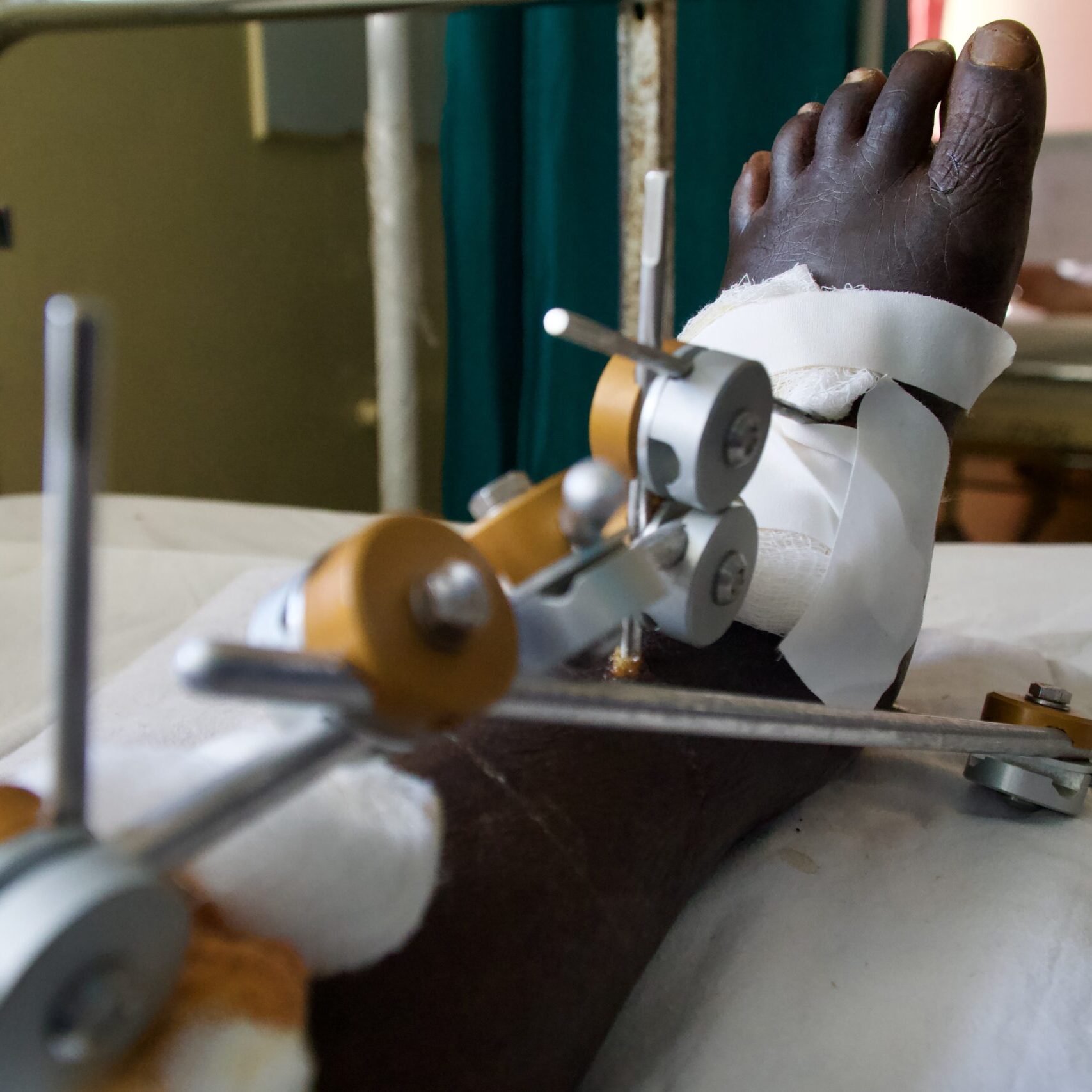
Bonesetter Project

Collaborate with traditional bonesetters to cure broken bones

Healthy Hearts Project

The detection of patients with cardiovascular diseases before they become seriously ill

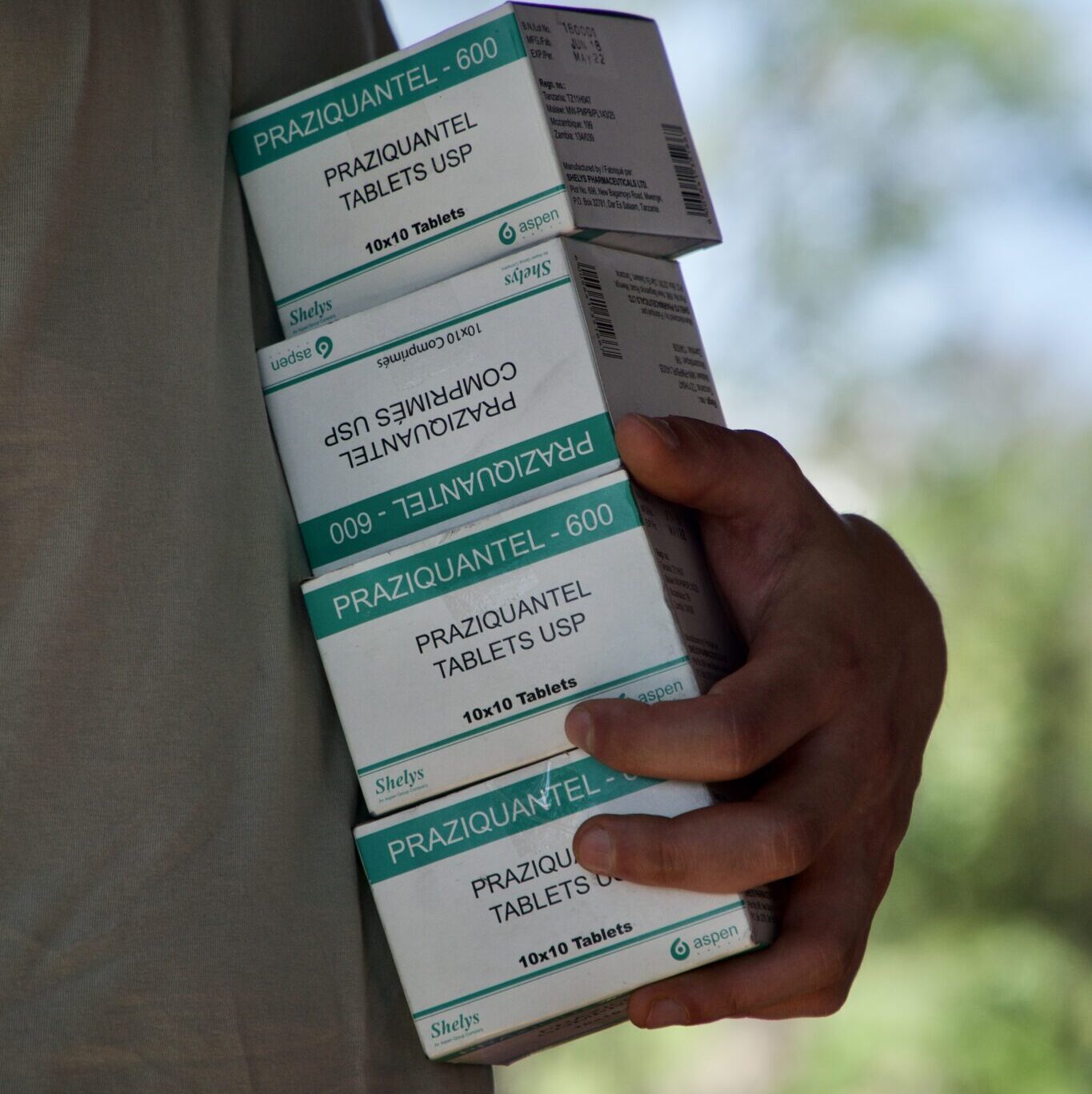
Schistosomiasis outreach Shirati

Free treatment against, and education about schistosomiasis

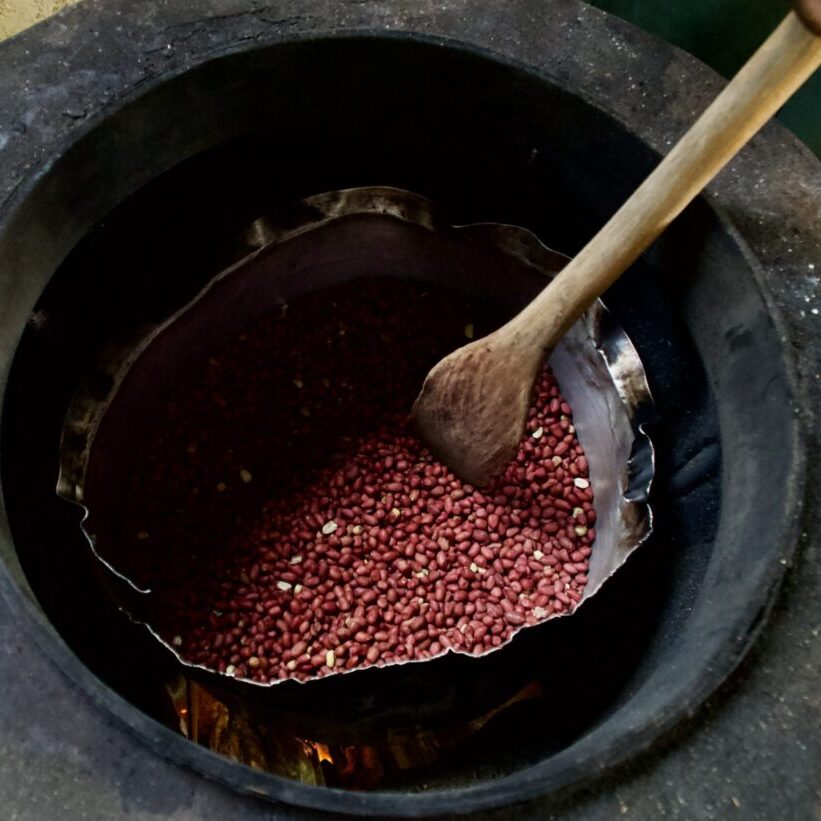
Shirati Peanut project

Local production of special peanut butter to combat malnutrition

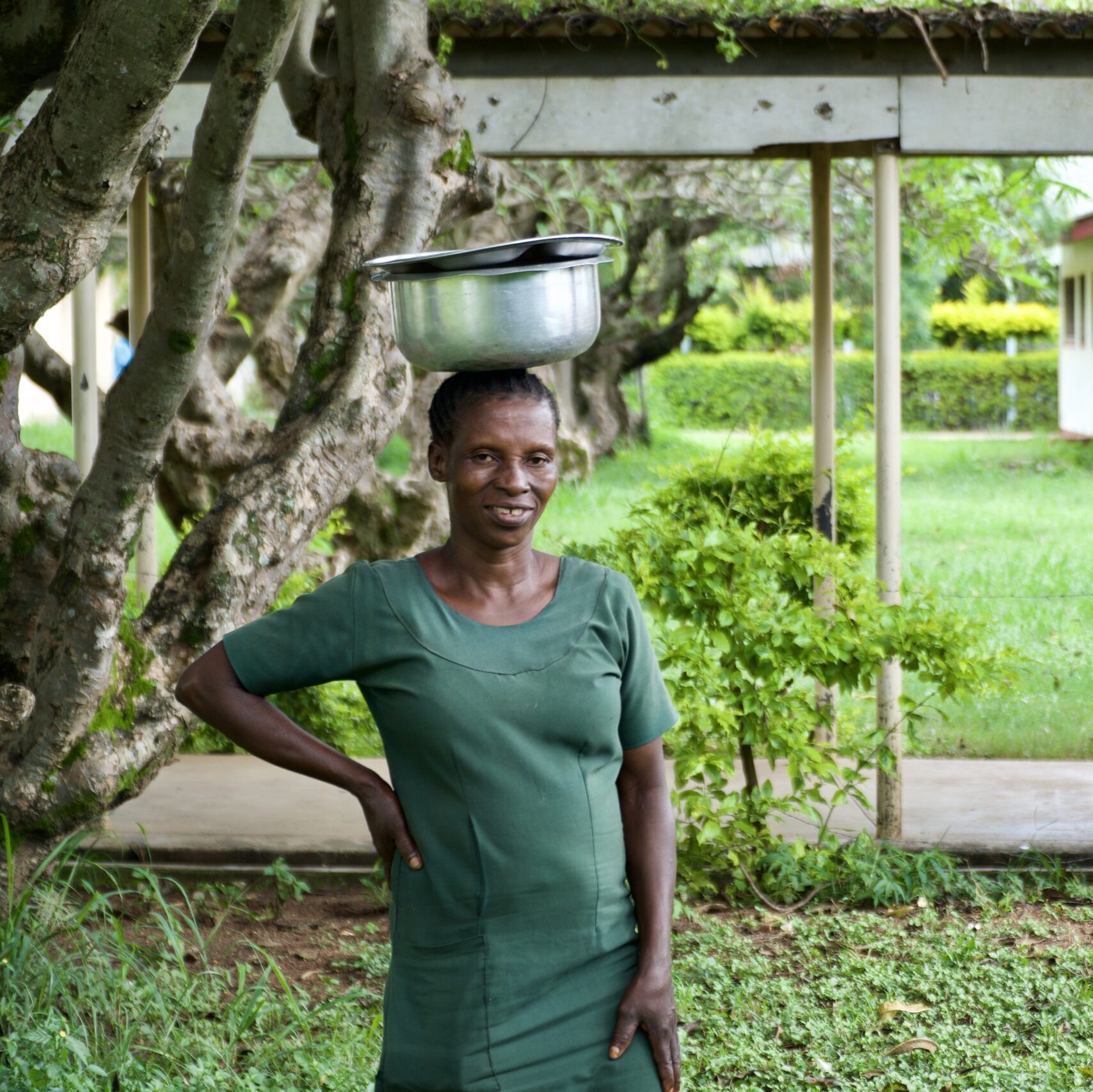
Shirati Food Program

Every day, a healthy free meal for all patients

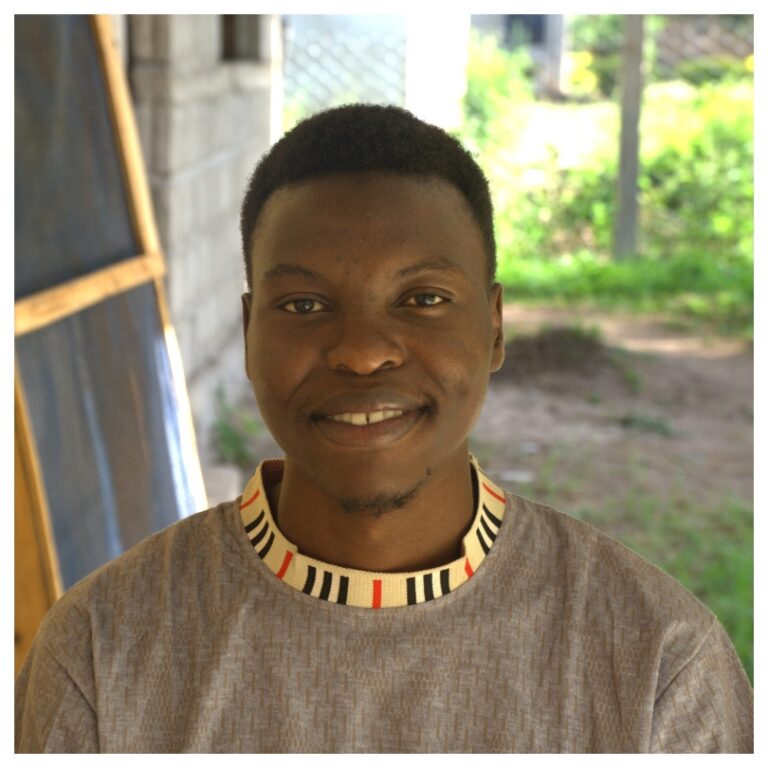
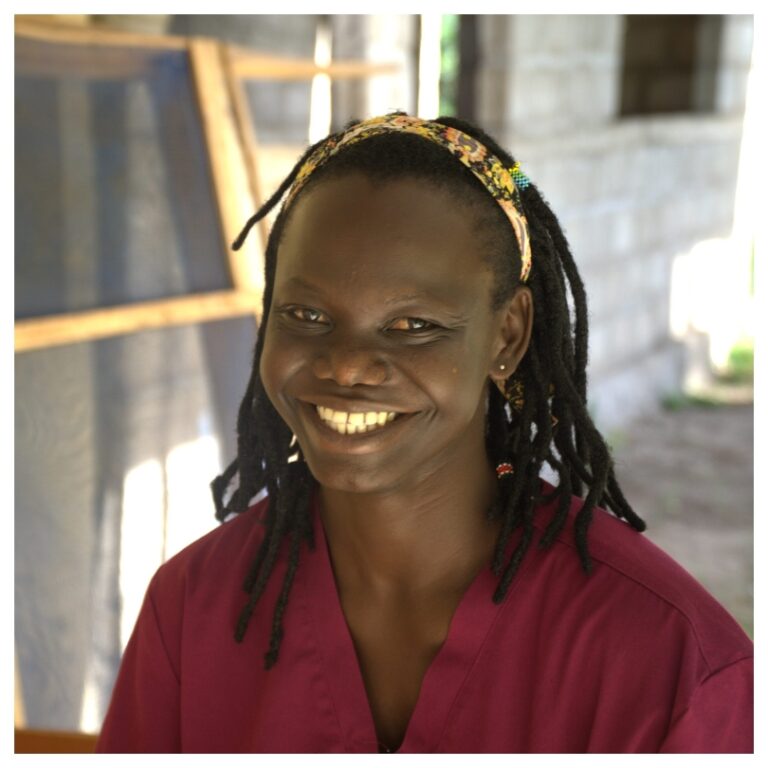
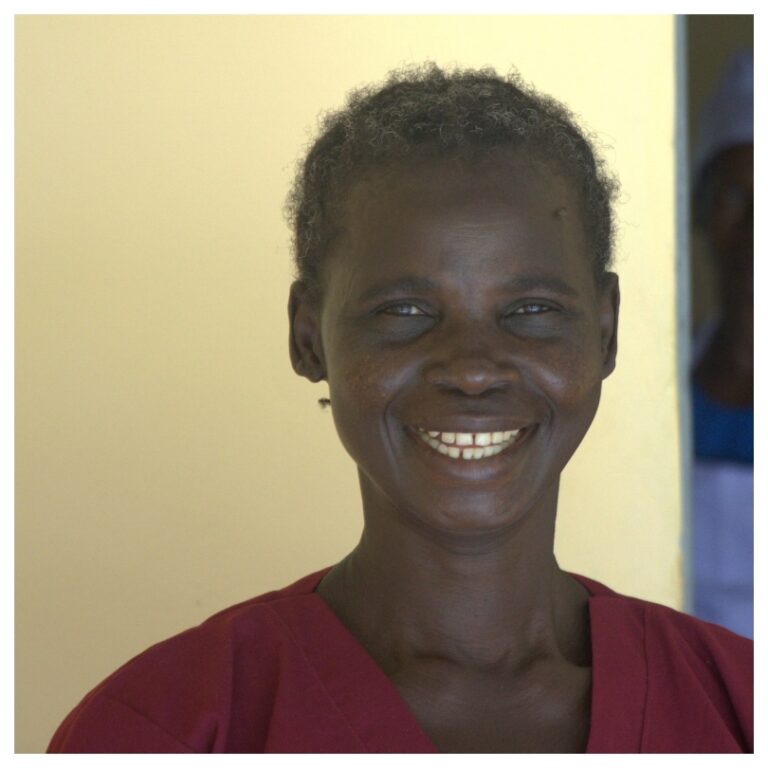
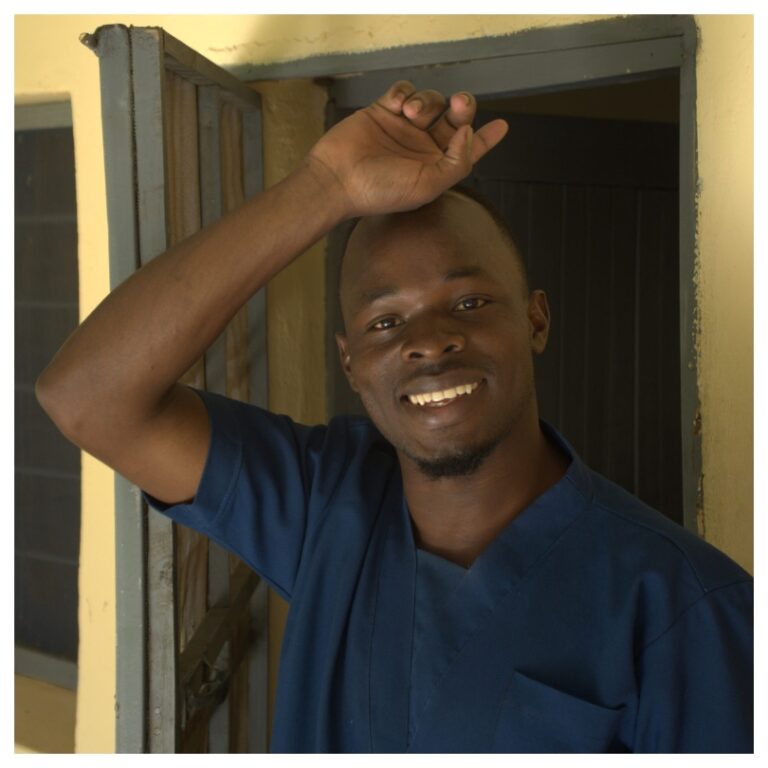
The team

Jovine Okoth

Researcher Bonesetter Project

Nkaina Walter

Researcher Bonesetter Project and Project manager Schistosomiasis Outreach Shirati
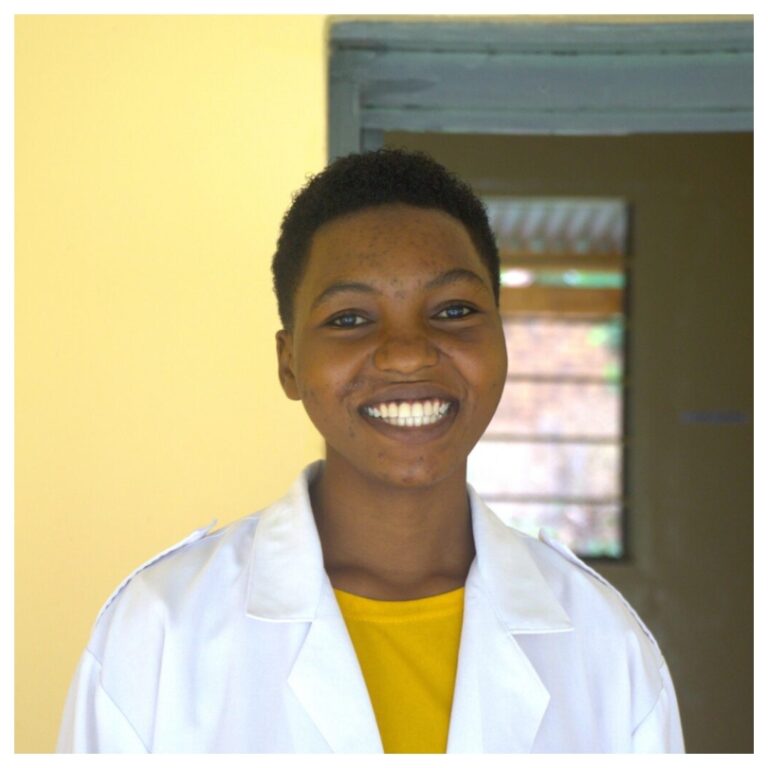
Winnie Walter

Project manager Healthy Hearts Project

Stella Kisare

Involved with Shirati Peanut Project and Shirati Food Program

Irene Babiligi

Nutritionist Shirati Peanut Project and Shirati Food Program

Frank Tighe

Nutritionist Shirati Peanut Project and Shirati Food Program

Suzana Charles

Production assistant Shirati Peanut Project

Joseph Kimba

Production assistant Shirati Peanut Project

Veronica Andricus

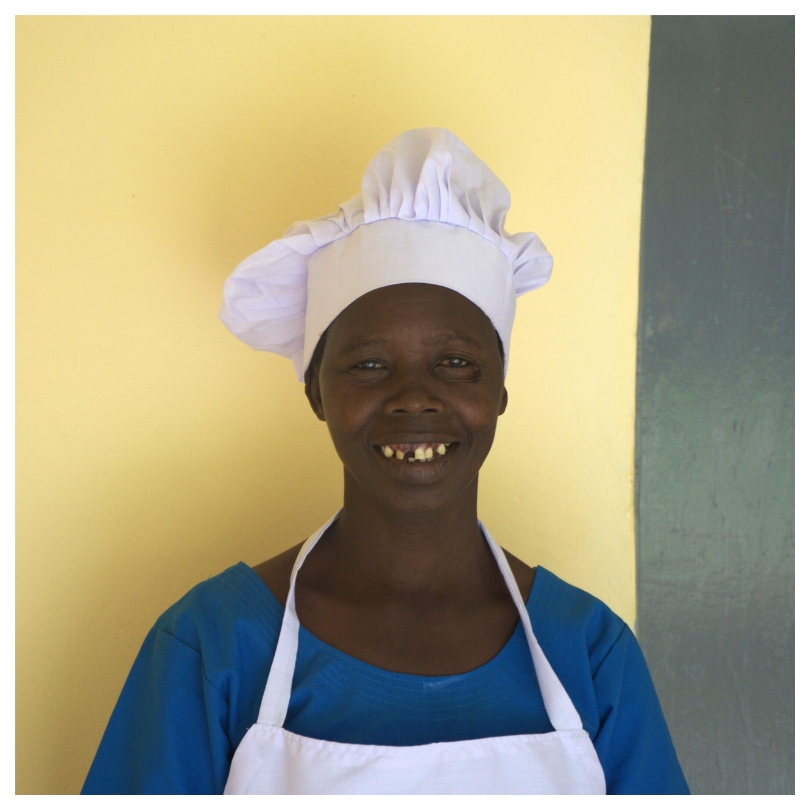
Cook Shirati Food Program

Sipi Leba

Cook Shirati Food Program

Tatu Phinias

Cook Shirati Food Program

Sabina Bhoke

Cook Shirati Food Program

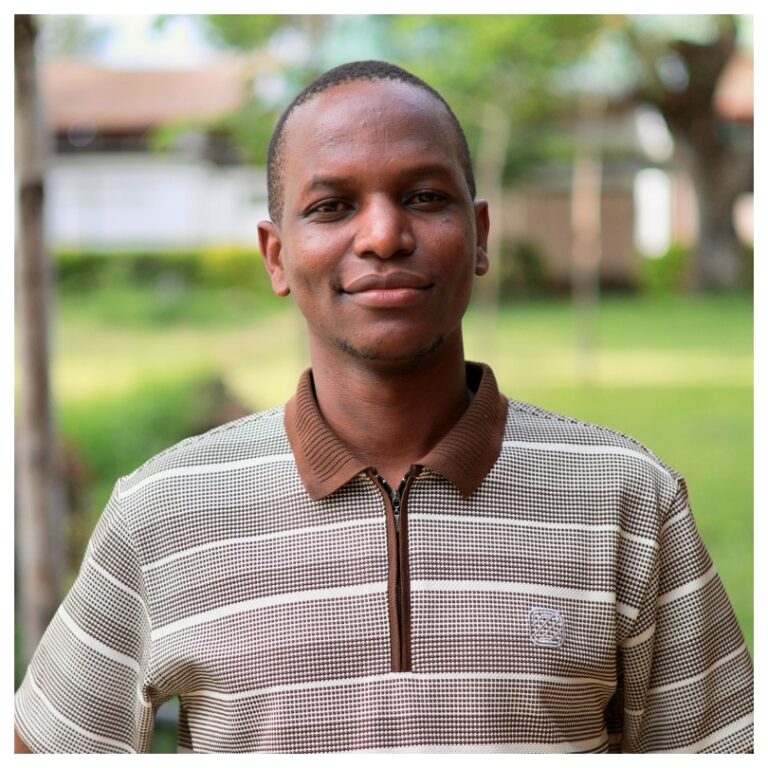
Nathan Beijneveld

Chairman
Co-founder Shirati Peanut Project and Shirati Food Program

Joost Binnerts

Secretary
Founder Bonesetter Project

Esther van der Lugt

General board member & confidant

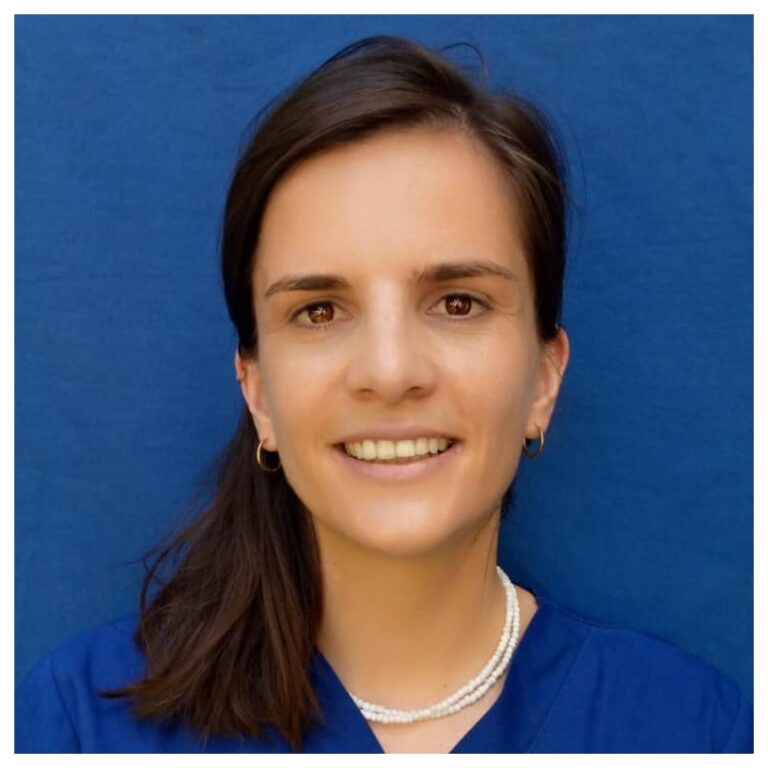
ProfilePicture_vonSalmuth (2)

Victoria von Salmuth

General board member
Co-founder Shirati Peanut Project and Shirati Food Program

Mick van het Nederend

General board member
Digital specialist

myrthe datema algemeen bestuurslid stichting shirati

Myrthe datema

General board member
Projectleader Healthy Hearts Project Project & fundraising

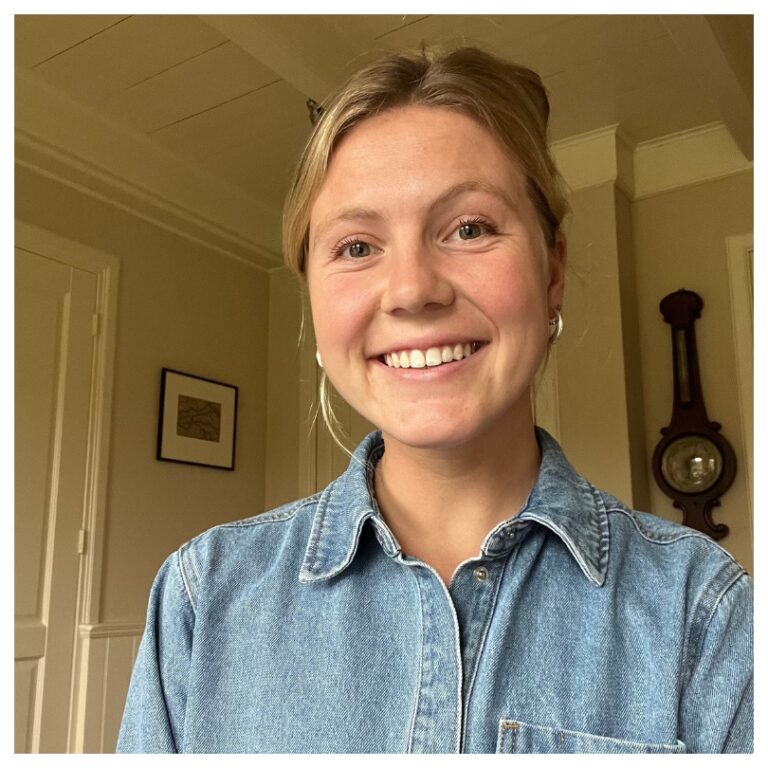
Emma valk van de Klundert algemeen bestuurslid communicatie stichting shirati

Emma valk-van de Klundert

General board member
Marketing & communication

Our partners

Donate

Periodic donation

For just ten euros per month you can already greatly help us to achieve our goals. All of the money that we receive through donations goes directly to the projects.

For different amounts you may set up a periodic transfer to NL07 TRIO 0320 4851 96 in the name of Stichting Shirati.

Thank you!

ANBI registered

Stichting Shirati is an ANBI registered foundation. This means that for Dutch citizens, a periodical gift for 5 years or longer is fully tax deductible. When you fill in our periodic donation agreement and mail it to info@stichtingshirati.nl, we can then arrange these tax deductions for you. For non-Dutch citizens who want to make use of any tax deductions, please email us and we’ll help you figure things out.

One-off Donation

Of course we are also very pleased to receive any one-off donations! Press the button below and enter an amount

Thank you!

If you want to support a specific project with your (one-off or periodic) donation, please send us an email after you have donated: info@stichtingshirati.nl

Publications

Binnerts, J.J., Hendriks, T.C.C., Hussein, S., Bempong-Ahun, N., Ibbotson, G.C., Harrison, W.J., Martin, C., Ranganathan, K., Ehsan, A.N., Chirangi, B.M., Edwards, M.J.R. and Hermans, E. (2025), Intersectoral Collaboration Between Traditional Bonesetters and Formal Healthcare: A Systematic Review on Past Initiatives and Stakeholder Perspectives. World J Surg, 49: 652-663. https://doi.org/10.1002/wjs.12503

Abstract

Background
Bone fractures in low- and middle-income countries are commonly managed by traditional bonesetters (TBSs). Past studies emphasize the potential for improved fracture care through intersectoral cooperation. This review gauged support among stakeholders for intersectoral collaboration and the results of previous initiatives.

Methods
Five medical databases were reviewed. Studies focusing on stakeholder perspectives and articles detailing collaborative initiatives were included. Data extraction and synthesis were carried out using the Cochrane Consumers and Communication Review Group’s template. Additionally, all studies underwent quality assessment.

Results
Of the 3821 identified articles, 16 were included after full-text screening. Twelve articles presented stakeholder perspectives, whereas four discussed collaborative initiatives. The overall article quality was low: articles on stakeholder perspectives scored on average 1.42 out of 4 points, whereas articles on collaborative initiatives scored a mean 1.25 points. In total, 62% of stakeholders (75% of TBSs, 92% of hospital staff, and 52% of patients) expressed support for intersectoral collaboration. The ratio between stakeholders expressing support versus those opposing was 4.4:1. No articles presented data on governmental perspectives. The most mentioned collaborative forms were TBS training (24% of stakeholders) and an integrative model (16% of stakeholders). Interventional studies all consisted of TBS training, reporting improved clinical outcomes and increased practice integration.

Conclusion
Despite the limited and low-quality evidence on collaboration initiatives and perspectives, most stakeholders seem supportive of intersectoral collaboration, with training and integration being commonly suggested. Future research efforts exploring the feasibility of embedding TBSs into current primary care systems should ensure the involvement of local and national government.

Binnerts, J.J., Hendriks, T.C.C., Okoth, J., Gill-Wiehl, A., Ranganathan, K., Ehsan, A.N., Harun, N.W., Ogoya, S., Bempong-Ahun, N., Ibbotson, G., Harrison, W.J., Martin, C., Jr., Edwards, M.J.R., Hermans, E. and Chirangi, B.M. (2025), Incidence, Impact, and Healthcare-Seeking Behavior for Extremity Fractures in Resource-Limited Settings: A Household Survey in Rural Tanzania. World J Surg, 49: 1368-1376. https://doi.org/10.1002/wjs.12540

Abstract

Background
Limited research exists on the burden of extremity fractures in Sub-Saharan Africa. Underreporting is likely, as patients often seek out traditional bonesetters (TBSs). This study aims to determine the annual incidence and impact of extremity fractures, alongside health-seeking behavior of patients in rural Tanzania.

Methods
We conducted a cross-sectional household survey in Rorya district, Tanzania, enrolling 497 households with 2667 members, using spatial random sampling. We surveyed household heads regarding access to fracture care and fracture occurrence among household members. We then randomly selected up to three members per household to survey, using the 1448 responses to calculate extremity fracture incidence. Any (self-)reported fractures were questioned on healthcare-seeking behavior and assessed through radiological evaluation. Confirmed cases completed a survey on disability and financial impact.

Results
We radiologically confirmed 11 extremity fractures among 1448 randomly selected respondents, yielding an annual incidence of 0.76%. Five additional fractures were identified among nonrandomized individuals totaling 16 confirmed cases. TBS attendance among patients suspecting fracture was significantly higher than hospital attendance (95% vs. 32%, p < 0.0005). Primary reasons for choosing TBSs were lower cost (62%) and perceived faster healing (29%). Sixty-two percent of patients reported reduced work capacity or requiring help with transport and 50% experienced a decrease in income.

Conclusions
The annual incidence of extremity fractures in this study was 0.76%. TBSs were largely preferred over hospitals due to lower cost and perceived faster healing. Over half of patients experienced reduced ability to work and income loss. Improved communication between TBSs and hospitals, along with better access to hospital care, could reduce complications.

Binnerts J.J., Hendriks T.C.C., Buzugbe N., et al. (2025) Broad Support Among Stakeholders for Collaboration Between Traditional Bonesetters and Formal Healthcare: A Qualitative Study in a Resource-Limited Setting. INQUIRY. 2025;62. doi:10.1177/00469580251325031

Abstract

Extremity fractures are increasingly common in Sub-Saharan Africa. In many resource-limited settings, patients with fractures have historically sought out traditional bonesetters (TBSs) and continue to do so, in part due to the undercapacity of existing orthopedic facilities. This qualitative study investigates key stakeholder perspectives on intersectoral collaboration between the formal healthcare system and TBSs in treating extremity fractures in the Rorya district, Tanzania. We combined focus group discussions and semi-structured interviews with four key stakeholder groups: patients with previous fractures, TBSs, hospital staff, and local government representatives. Questions concerned stakeholder experience, advantages of TBS and hospital care, perspectives on collaboration, and potential facilitators and/or barriers. Transcripts were analyzed using thematic analysis and inductive coding. Between June 2022 and August 2023, 35 TBSs, 9 patients with previous fractures, 5 hospital staff members, and 2 government representatives were interviewed. Participants unanimously recognized the need for collaboration between TBSs and hospitals. 

Identified barriers included TBSs’ motivation for hospital referral, poor customer care at hospitals, and limited understanding of fracture management in hospitals by TBSs and patients. Implementation of a collaborative triage and referral system was most commonly suggested. This study summarized all relevant perspectives on intersectoral collaboration. A combined approach of a joint triage and referral system, augmented by community education and TBS training, may enhance the quality and accessibility of fracture care and potentially serve as a model for regions facing similar challenges. Further research is needed to evaluate the feasibility and effectiveness of such initiatives in practice.

von Salmuth V., Buijs L., Chirangi B., Vreugdenhil A.C., van Schayck O.C. (2023) Health needs assessment for the double burden of malnutrition: a community-based study on nutrition facilitators and barriers in rural Tanzania. Public Health Nutr. 2023 Nov;26(11):2450-2459. doi: 10.1017/S1368980023001568. Epub 2023 Aug 15. PMID: 37581236; PMCID: PMC10641635.
 

Abstract

Objective
The aim of this study is to explore nutrition-related health needs, the perceptions and beliefs regarding the double burden of malnutrition, as well as barriers and facilitators in accessing nutritious food among the local population in rural Tanzania.

Design
A qualitative study design using semi-structured individual interviews and focus-group discussions (FGD) was used. Basic socio-demographic information was obtained from all participants.

Setting
The study was conducted in four villages within the catchment area of the Shirati KMT Hospital in Rorya district, in north-western Tanzania.

Participants
Men and women in the reproductive age as well as Community Health Workers (CHW) were included.

Results
In total, we performed fourteen interviews (N 41), consisting of four FGD, one dual and nine individual interviews. The three most significant topics that were identified are the large knowledge gap concerning overweight and obesity as a health problem, changing weather patterns and its implications on food supply and the socio-cultural drivers including gender roles and household dynamics.

Conclusion
Environmental and socio-cultural factors play a crucial role in the determinants for DBM, which underlines the importance of understanding the local context and the nutrition practices and beliefs of the communities. Future nutritional interventions should aim towards more inclusion of men in project implementation as well as support of women empowerment. CHW could play a key role in facilitating some of the suggested interventions, including nutritional counselling and increasing awareness on the drivers of the double burden of malnutrition.